Tanzania- Coral Reef Rescue Project - Overview
| 3,580 km²Total coral reef area | 115,500 haMainland mangrove forest | 400+Coral species on Mafia Island | 70%Of artisanal fish production | 2 BCUsPriority reef areas |
Tanzania’s coral reefs, covering approximately 3,580 km², are a treasure trove of marine biodiversity, with Mafia Island boasting over 400 coral species, making it one of the most diverse reef ecosystems globally. The country’s extensive mangrove forests, including 115,500 hectares on the mainland and 18,000 in Zanzibar, play a crucial role in coastal protection and support thriving ecosystems.
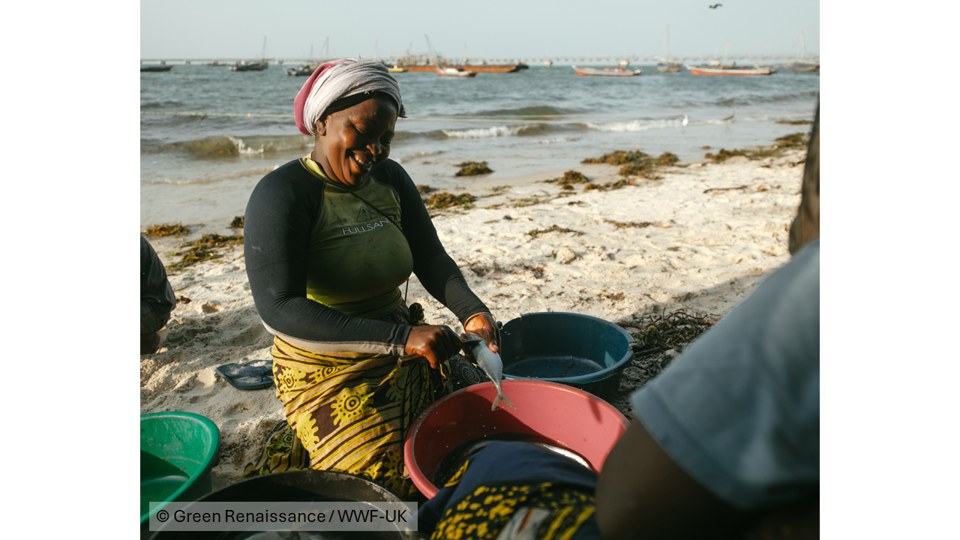
The Rufiji Delta, home to the largest mangrove stand on the East African coast, is particularly noteworthy. These vibrant coral reefs and mangroves are vital for artisanal fishing, supporting 70% of Tanzania's fish production and underpinning a booming coastal tourism industry, which generates significant economic benefits. There is growing recognition of the importance of including women in these sectors, paving the way for more equitable opportunities in fisheries and tourism.
Tanzania - Coral Reef Rescue Project - Team
| Focal National Government Ministry Marine Parks and Reserves Unit (MPRU) | National Technical Facilitator Marine Parks and Reserves Unit (MPRU) |
| Davis Mpotwa Acting Manager, MPRU |
Godfrey Ngupula Project Coordinator |
Yusuph Rajabu IT Officer |
Tanzania - Key Focal Points
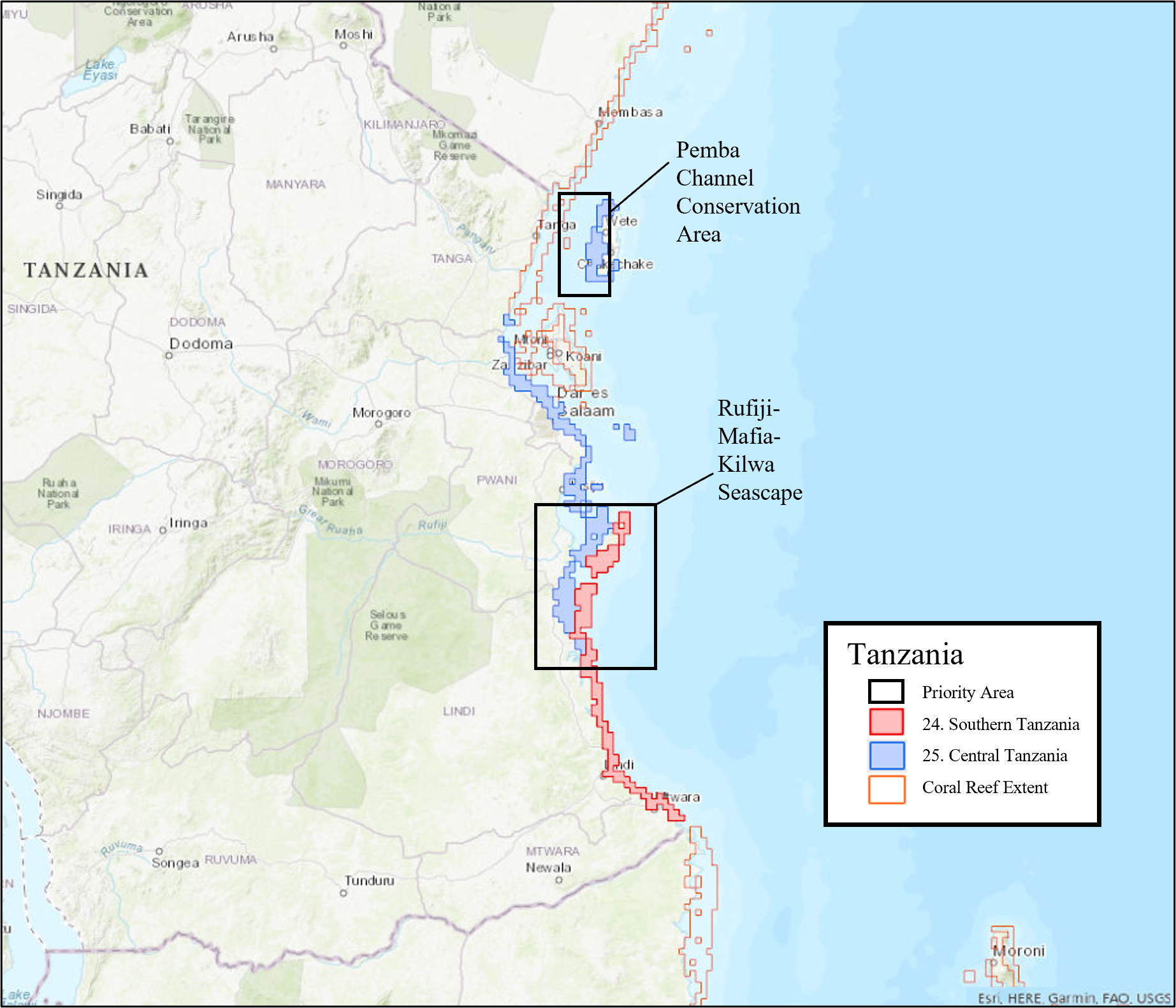
Priority areas in Tanzania sit within two Bioclimatic Units in Southern and Central Tanzania: the Rufiji-Mafia-Kilwa (RUMAKI) Seascape and Tanga/Pangani region (BCU 24, Southern Tanzania), and the Pemba Channel Conservation Area (BCU 25, Central Tanzania).
Tanzania's Coral Reefs
Tanzania is committed to preserving its unique marine heritage, with key conservation efforts focused on the Pemba Channel Conservation Area, the Rufiji-Mafia-Kilwa Seascape (RUMAKI), and the Tanga/Pangani region. The Pemba Channel is a fully protected marine haven, while the RUMAKI Seascape encompasses critical habitats like the Mafia Island Marine Park and the Rufiji Delta, which hosts Tanzania’s richest mangrove diversity. The Tanga/Pangani region is celebrated for its diverse ecosystems, including coral reefs, mangroves, and seagrass beds, with local communities thriving on sustainable fishing and agriculture. These efforts highlight Tanzania's dedication to fostering sustainable development while preserving its rich marine biodiversity for future generations.
Tanzania's Biodiversity Conservation Units
The Rufiji-Mafia-Kilwa (RUMAKI) Seascape and the Tanga/Pangani region make up Tanzania's southern priority area, together spanning some of the country's richest reef, mangrove and seagrass habitats.
Latest Updates from Tanzania
- Tanzania's coral reef conservation efforts are gaining national media attention.
- Protecting Tanzania’s Coral Reefs: From Community Action to National Progress
- Tanzania's Marine Parks and Reserves Unit engages the Mafia District to increase awareness about coral reef conservation
- Marine Parks and Reserves Tanzania reach out to local districts and stakeholders to build capacity around safeguarding coral reefs
Free Coral Reef Resources and Tools
The GEF -7 Coral Reef Rescue Project has released free online courses and resources on coral reef conservation. These include;
- Coral Reefs: Introduction to Challenges and Solutions
- Coral Reefs: Data and Monitoring
- Coral Reefs: Sustainable Blue Economy
- Coral Reefs: Climate Resilient Communities
Alongside these courses, a new online decision support tool was created Coral Reef Rescue Portal. This brings together over 70 existing coral reef datasets and resources in one easy-to-use, searchable platform.
Relevant documents:
- National Action Plan for Conservation of Reslient Coral Reefs, (NAPCRCR), 2026 - 2031
- National Coral Reef Hub, June 2025
- Strategic Action Plan for the Sustainable Management of the Western Indian Ocean Large Marine Ecosystems, May 2019
- The Nairobi Convention
- National Fisheries Sector Policy and Strategy Statement (1997)
- Fisheries Act (2003) Tanzania Mainland
- Tanzania National Integrated Coastal Environment Management Strategy
- National Environmental Management Act (2004)
*Note:The Project Document has more information about Tanzania's reefs and their involvement in the Coral Reef Rescue Project.
.jpg)